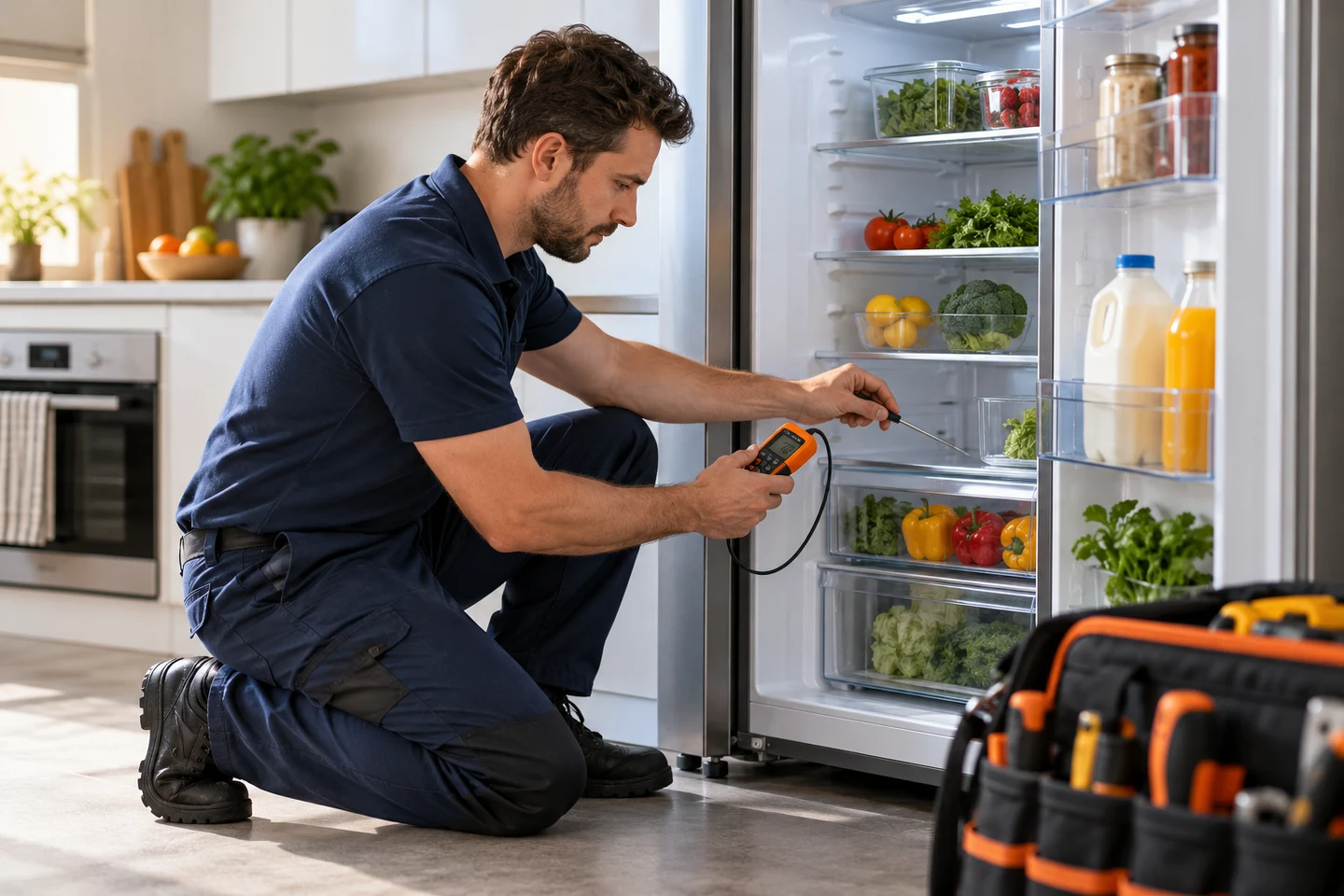
Cooling
Fridges and freezers: temperature, seals, recurring cycles and visible alerts.
Open scopeThe appliance desk · cooling / cooking / hot water
Something changed. Start there. Turn the noise, warning or interruption into an enquiry a service professional can actually use.

Choose the system. Describe the pattern. Keep approval for the work separate.
Open your requestStart at the right desk
Fridges and freezers: temperature, seals, recurring cycles and visible alerts.
Open scope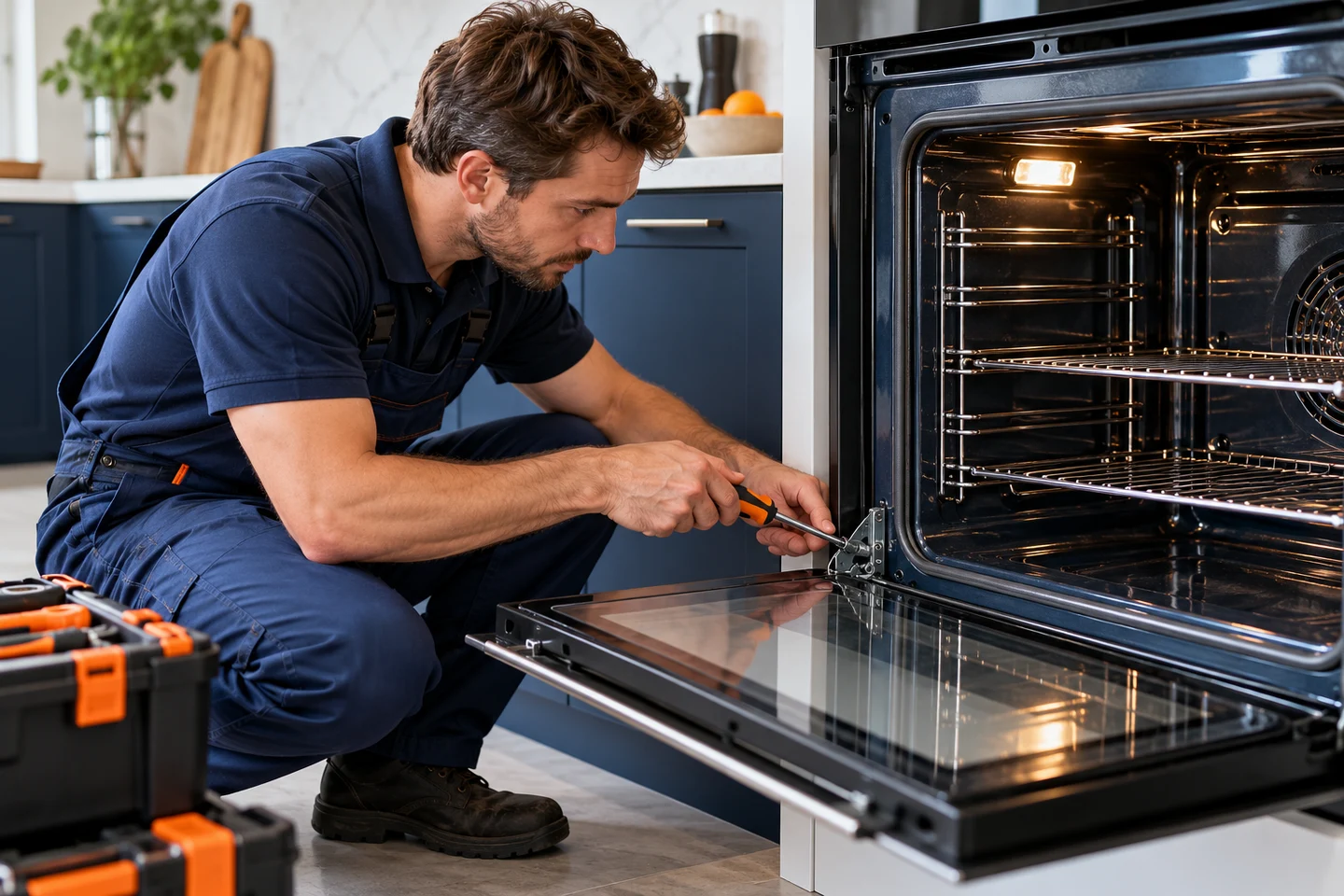
Ovens and cooktops: controls, heating modes and ignition observations.
Open scopeGas water heaters: changing temperature, interruptions and displayed codes.
Open scope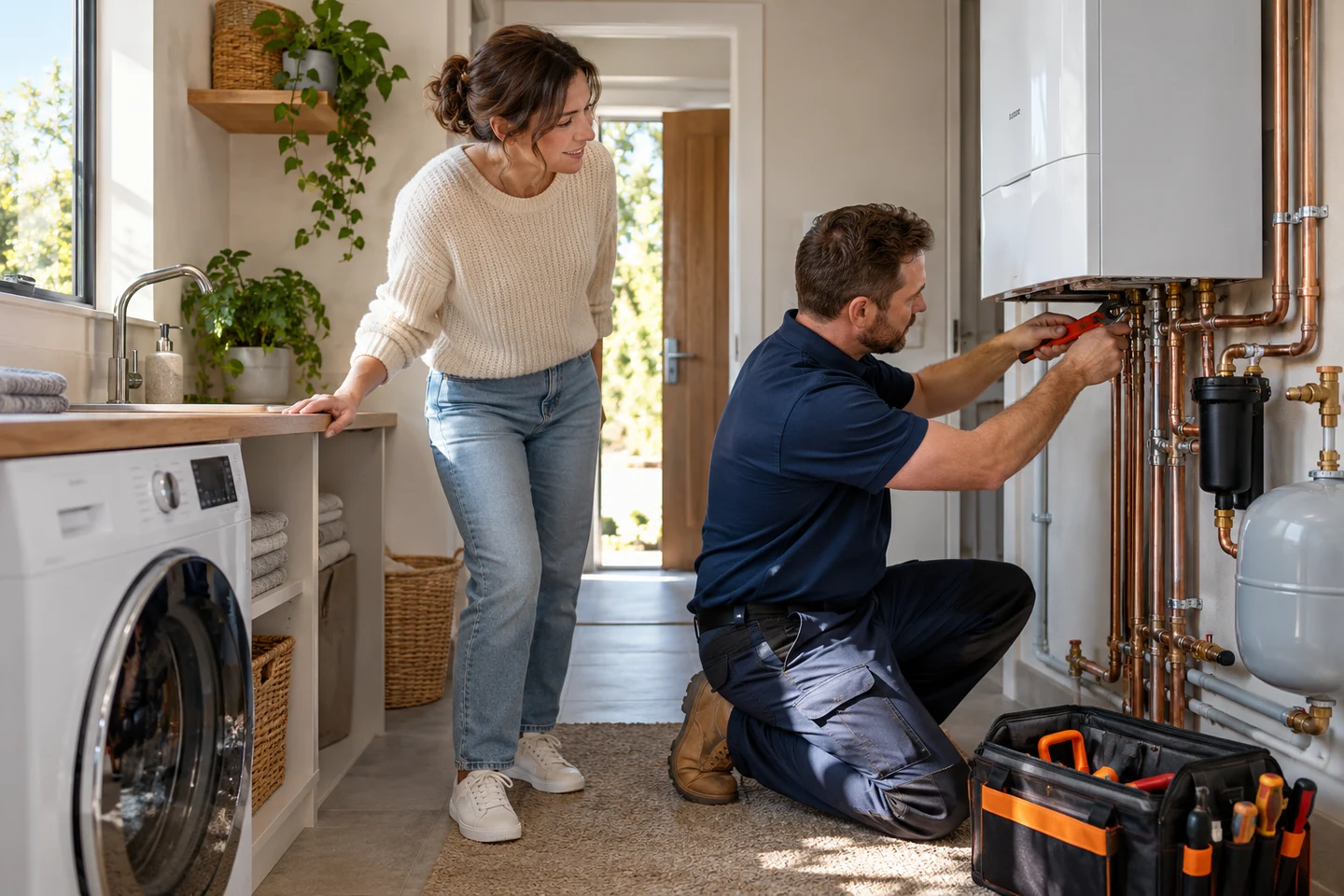
Domestic boiler enquiries: system context, warning history and access.
Open scopeSafety takes priority
Leave the routine request for later. Call 000 from safety if life or property is in immediate danger. A suspected gas leak belongs with the emergency contact shown on your gas bill, not a website form. Never investigate gas fittings yourself.
Official gas emergency informationThe evidence board
Record the timing and which compartment seems affected. A written pattern is more useful than naming a replacement part.
Describe this symptom ↗Name the mode, approximate setting and when the change began. Leave internal electrical checks to the relevant professional.
Describe this symptom ↗Include the water-heater model and whether the change is intermittent. A service enquiry cannot establish the underlying cause.
Describe this symptom ↗Describe the location of the visible damage and the appliance model. Compatibility matters when parts are discussed.
Describe this symptom ↗Mention the affected control and any visible warning. Do not dismantle the surface or ignition assembly.
Describe this symptom ↗Copy the exact displayed characters. Repeated resets can hide a useful history; follow the manufacturer’s instructions and seek qualified help.
Describe this symptom ↗Nothing in this view yet. Broaden the search or return to every appliance.
Request to decision
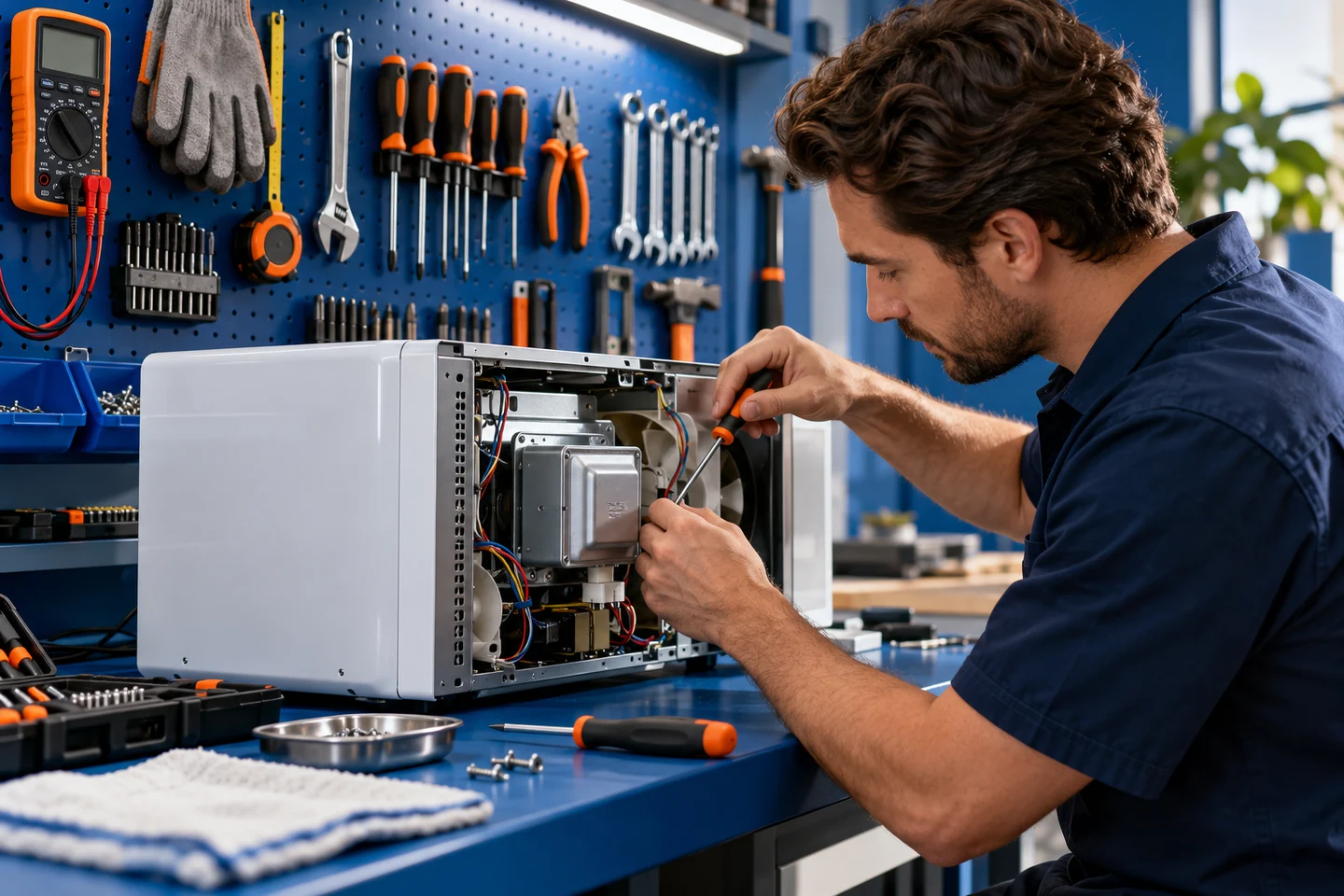
Illustrative equipment; every job needs the appropriate trade and assessment.
The form captures a concise fault description, contact details and optional location.
Ask who will attend, what qualifications apply, whether your area is covered and what the assessment costs.
Separate the finding from the recommended action. Ask whether parts, travel and follow-up are included.
Retain the agreed quote, approval and service notes. A later question is easier with the original scope in view.
A better fault brief
“The fridge section became warmer yesterday; the freezer display appears unchanged.” This describes a pattern without inventing the cause.
“It must be the compressor” skips the assessment. Leave the diagnosis open until a qualified person has inspected and tested the appliance.
The quote ledger
There is no made-up price list here. Ask the questions that make a real quote understandable.

| Quote line | Question to resolve |
|---|---|
| Initial attendance | Does this include travel and diagnosis? |
| Parts supply | Is the exact compatible part available? |
| Repair labour | Which tasks are included in the quoted scope? |
| Additional work | How will approval be obtained if the scope changes? |
System notes
Identify the appliance label and explain what the system supplies. Do not assume a domestic boiler, storage system and continuous-flow gas water heater require the same trade or service approach. A precise description prevents a vague request from travelling in the wrong direction.
The access check
Name the authorised contact without sharing private entry codes in the form.
Mention stairs or tight access. Do not move heavy appliances yourself.
Make the owner, tenant or property contact arrangement explicit.
A suburb or postcode starts the coverage discussion; it does not confirm it.
At the desk
Check the brief once before sending. These marks are a local preparation aid, separate from your submitted request.
Device-only checklist.Look closer
Keep learning
A worked example of a clear appliance description, plus the questions to ask before assessment.
Open the notebookHow cooling, cooking and water systems lead to different service questions.
Review the scopeUnderstand the limits of a web enquiry and the value of a written handover.
Read the desk notesStraight answers
No. The form creates a record for review. A provider, coverage, assessment fee and appointment need separate confirmation.
A calculator without the appliance findings would imply certainty that does not exist. The quote ledger helps you ask for the actual components of the charge.
Please do not. The initial request needs an appliance description, not security credentials or access instructions that should be exchanged privately later.
No qualifications or manufacturer authorisations are asserted by these pages. Verify the person and the applicable trade credentials before arranging work.
The local question

Availability may depend on the appliance, qualified trade and travel requirements. The request form accepts a location so those details can be discussed before an appointment is promised.
Your next action