Appliance desk / Australia
Build a fault notebook a technician can read.
A short factual account helps the next conversation begin at the appliance, rather than at an untested assumption.
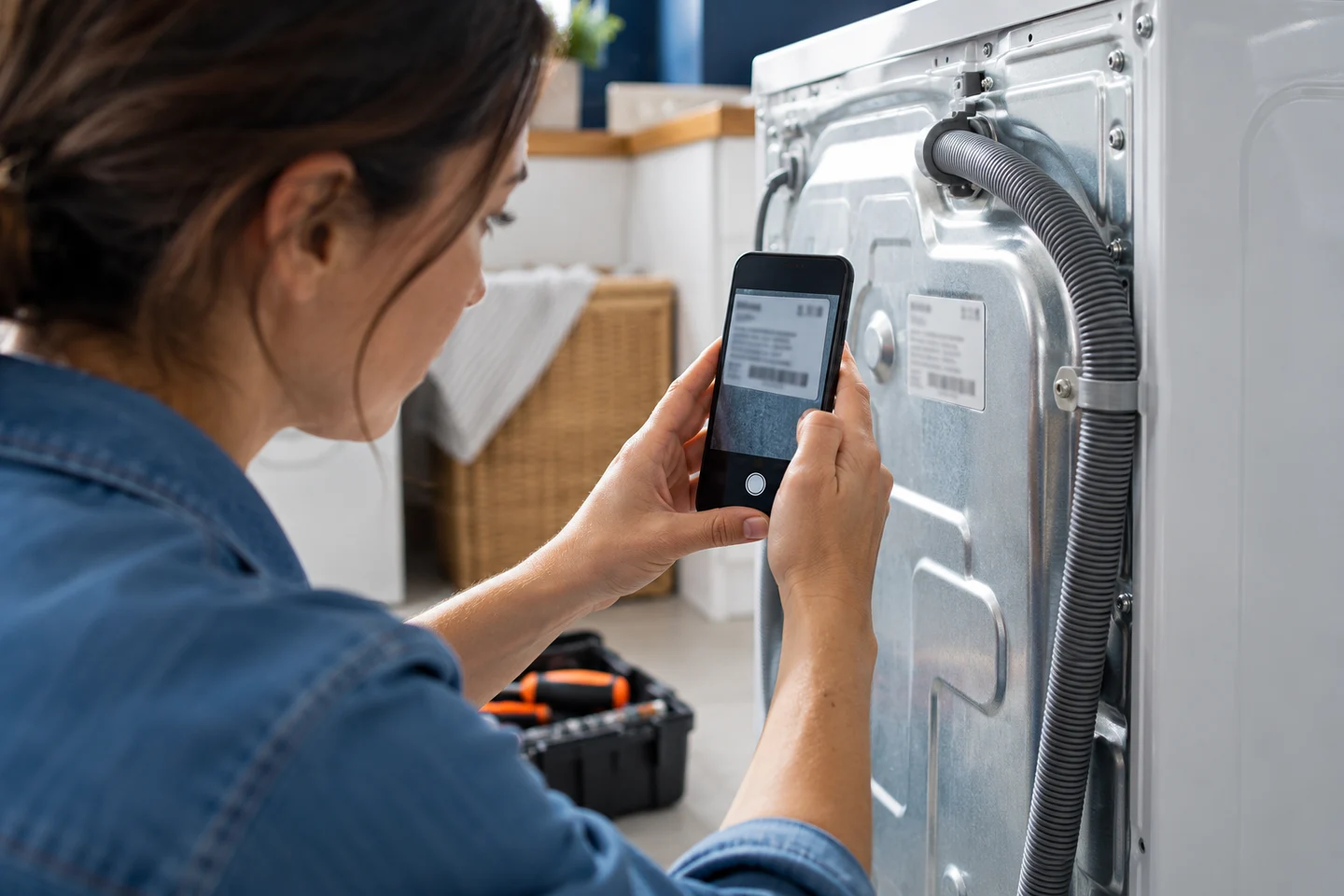
Identify the system first
Write the appliance category and model if you can find it safely. A boiler and a gas water heater may need different service arrangements. If the label is inaccessible, use existing paperwork or explain the limitation instead of moving the appliance.
Capture the pattern
Use a time, a location and an observed change. For example: “The oven’s fan mode behaved differently during yesterday’s dinner.” Add a visible code exactly as displayed. Avoid converting a search result into a confirmed fault.
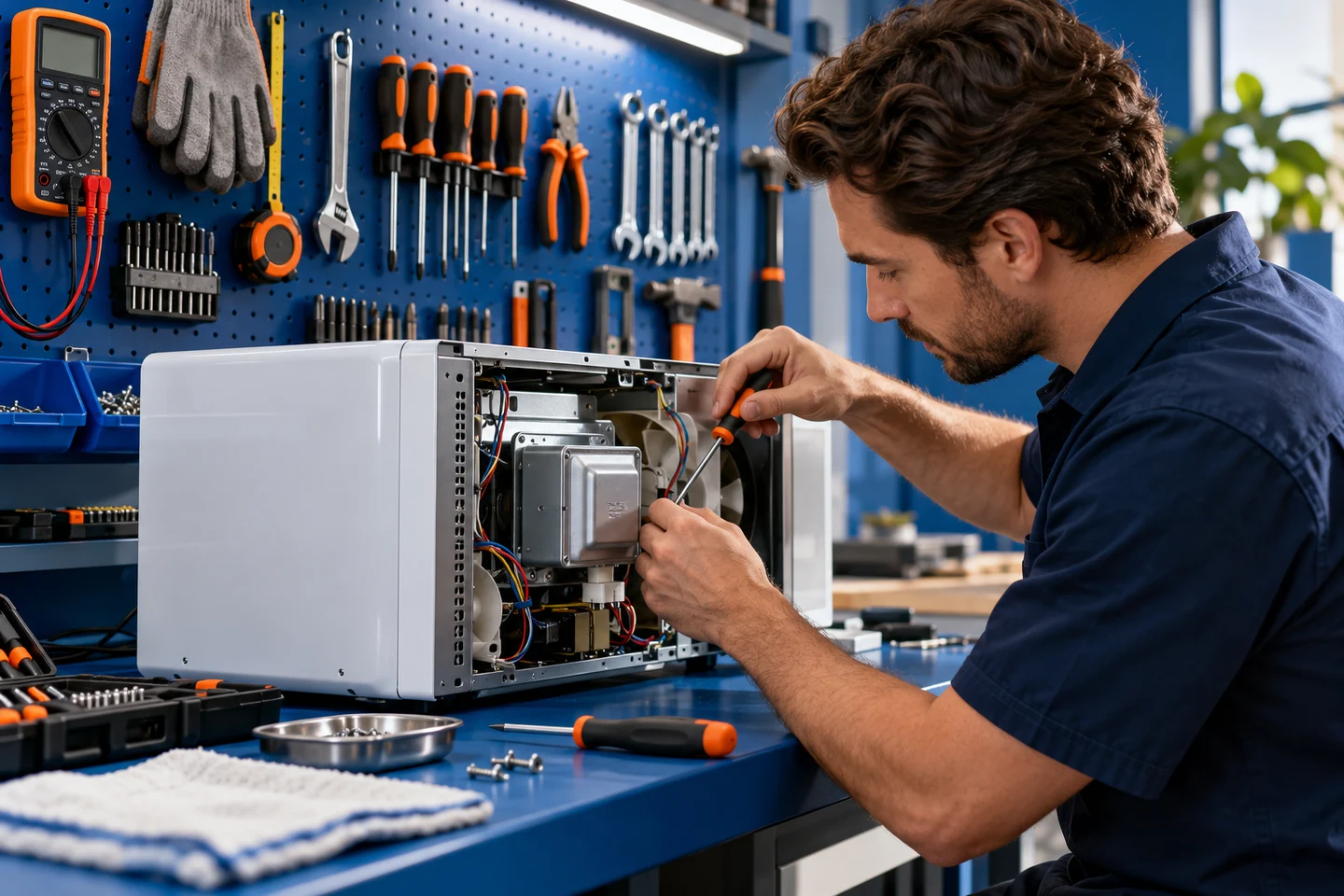
Separate diagnosis from the quote
Ask what the assessment will establish and what it costs. Then ask how a repair proposal will be presented, whether parts and travel are included, and who must approve a change. Keep the quote readable enough to compare with the eventual work.
Write the practical constraints
Location, access and authority can affect the plan. Note stairs or a property manager’s involvement. Make sure the person providing someone else’s contact details has permission, and arrange sensitive access information through an appropriate private channel.
Close the loop with records
After any separately agreed service, keep the written findings and invoice with the original request. If the symptom returns, describe what is the same and what has changed. A clear history is more useful than a repeated guess at the part.
Keep approval explicit
Confirm the assessment findings, proposed work and full charge before giving approval.